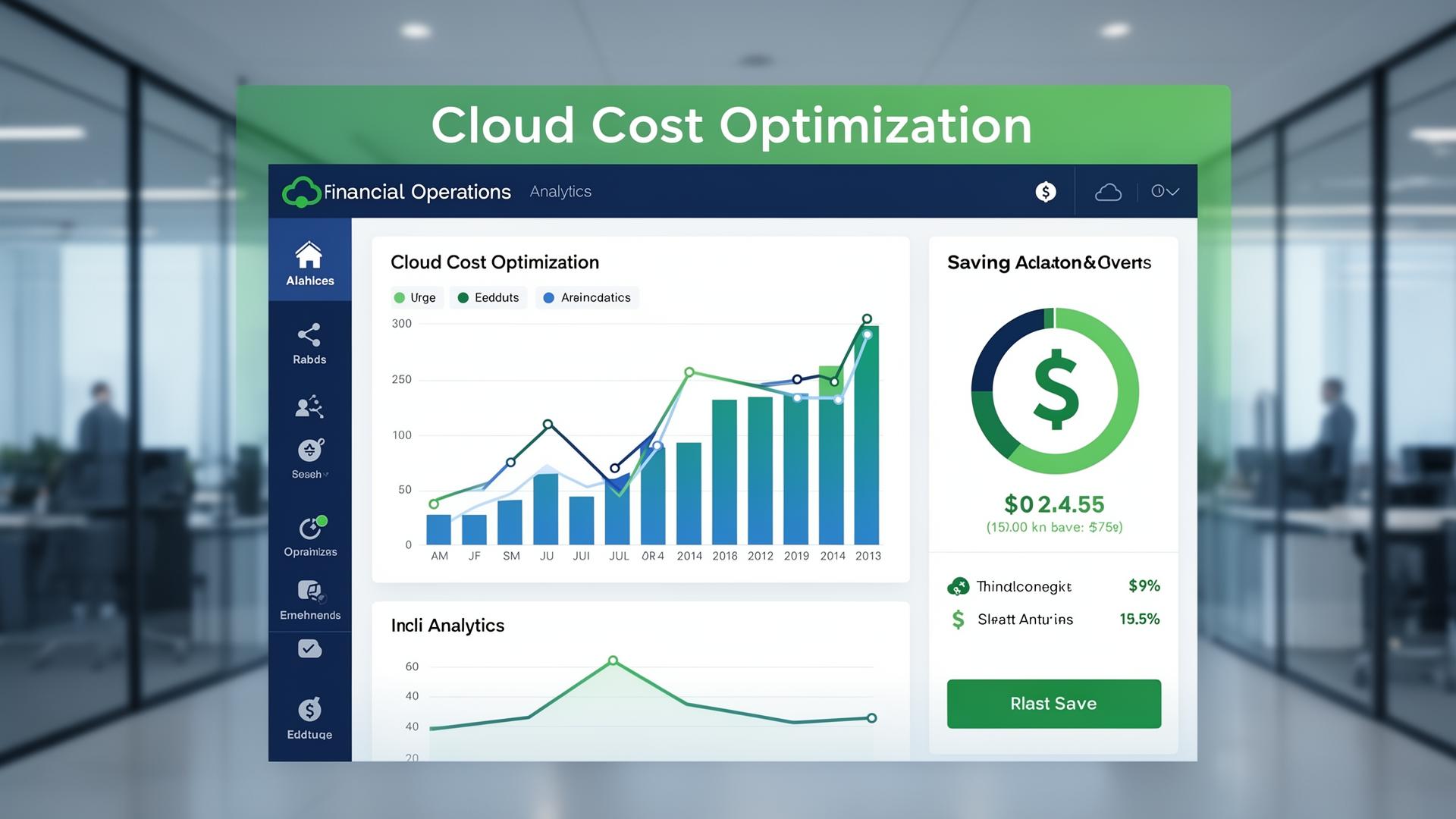
# Cloud Cost Optimisation: Getting More Value From Your Cloud Spend
Cloud promised cost savings. Eliminate capital expenditure. Pay only for what you use. Scale dynamically with demand. The reality for many organisations proved different. Cloud bills exceeded expectations. Optimisation became urgent.
Cloud cost optimisation systematically reduces spend while maintaining or improving service. Right-sizing, reserved capacity, architecture improvements, and governance combine to control costs.
## Cost Optimisation Levers
Multiple approaches reduce cloud costs.
**Right-sizing** matches resources to requirements. VMs provisioned for peak often idle. Right-sizing eliminates waste. Continuous monitoring identifies opportunities.
**Reserved capacity** reduces compute costs. Commitments of one or three years provide significant discounts. Savings Plans offer flexibility. Reserved Instances provide maximum discount.
**Spot instances** slash costs for fault-tolerant workloads. Spare capacity at deep discounts. Interruption possible. Appropriate for batch processing, CI/CD, and stateless services.
**Storage tiering** reduces storage expense. Hot data on fast storage. Cold data on cheap storage. Lifecycle policies automate movement.
**Architecture optimisation** eliminates waste. Serverless for intermittent workloads. Containers improve density. Data transfer optimisation reduces egress.
## FinOps Practices
FinOps brings discipline to cloud financial management.
**Visibility** reveals where money goes. Tagging enables allocation. Cost allocation reports assign to teams. Showback and chargeback drive accountability.
**Governance** prevents waste. Budgets alert before overspend. Policies prevent prohibited resources. Approval workflows control large purchases.
**Culture** embeds cost awareness. Engineers understand cost implications. Teams own their costs. Optimisation becomes continuous.
## Getting Started
Cloud cost optimisation initiatives need structure.
**Assessment** reveals current state. What are you spending? Where is the waste? What are the quick wins?
**Quick wins** build momentum. Unused resources. Oversized instances. Missing reserved capacity. Immediate savings fund ongoing effort.
**Sustained programme** maintains gains. New waste accumulates. Continuous optimisation required. Make it part of operations.
If your organisation needs help optimising cloud costs or implementing FinOps practices, contact us through our contact page.
## FinOps in Practice
Cost optimisation works when engineering and finance share the same view:
- consistent tagging,
- showback/chargeback reporting,
- and agreed guardrails (budget alerts, policy limits).
## High-Impact Savings Levers
- rightsizing (CPU/RAM),
- reserved instances/savings plans,
- storage lifecycle policies,
- and eliminating idle environments.
Measure savings but also track risk: do not “optimise” by removing resilience.
## FinOps in Practice
Cost optimisation works when engineering and finance share the same view:
- consistent tagging,
- showback/chargeback reporting,
- and agreed guardrails (budget alerts, policy limits).
## High-Impact Savings Levers
- rightsizing (CPU/RAM),
- reserved instances/savings plans,
- storage lifecycle policies,
- and eliminating idle environments.
Measure savings but also track risk: do not “optimise” by removing resilience.