# Data Management Best Practices: Organising Your Enterprise Data Estate
Data accumulates relentlessly. Every system generates it. Every process produces more. Delete nothing because someone might need it. The result is sprawl across storage systems, cloud services, and backup archives.
This situation wastes money on storage for data no one uses. It creates compliance risk when regulated data lurks in unexpected places.
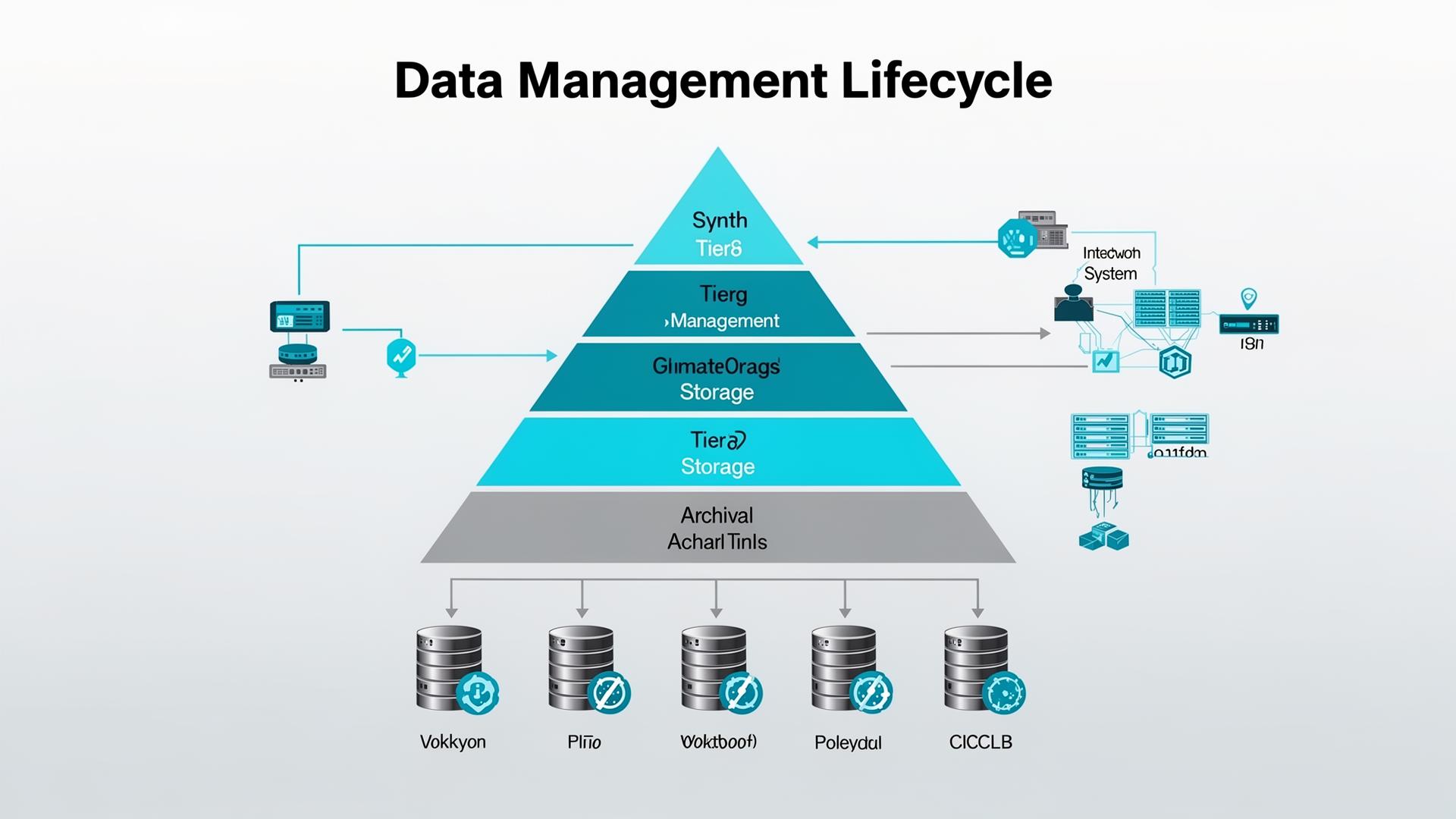
Effective data management brings order to chaos. Classification identifies what data you have. Tiering places it on appropriate storage. Lifecycle policies automate movement and deletion. Governance ensures compliance.
## Understanding Your Data Estate
Before managing data, you must understand what exists.
**Discovery tools** scan storage systems to identify what exists. They examine file metadata, content patterns, and access history.
**Classification** categorises data by type and importance. Business critical versus operational. Sensitive versus public. Regulated versus unregulated.
**Ownership assignment** connects data to accountability. Someone must be responsible for each data category.
## Data Tiering Strategies
Not all data deserves equal treatment.
**Performance tiers** align with access patterns. All flash storage for databases. Hybrid storage balances performance and capacity. Capacity optimised storage handles archives.
**Cloud storage** adds tiering options. Standard tiers for frequent access. Infrequent access tiers reduce cost. Archive tiers offer lowest storage cost.
**Automatic tiering** moves data based on policies. Access frequency can trigger tier transitions.
## Lifecycle Management
Data has a lifecycle from creation through active use to archive to eventual deletion.
**Retention policies** define how long to keep data. Business requirements set minimums. Regulatory compliance may mandate specific periods.
**Deletion** becomes positive action rather than neglect. Data past retention periods gets deleted systematically.
**Archive practices** preserve important data cost effectively.
## Governance and Compliance
Regulatory requirements shape data management. GDPR, HIPAA, PCI DSS impose obligations.
**Data classification** identifies regulated data. Personal information requires GDPR protections.
**Access controls** restrict data to authorised users.
If your organisation needs help developing data management strategies, contact us through our contact page.
## Define Ownership and Classification
Data programmes fail without ownership. Assign:
- a business owner (accountability),
- a technical steward (implementation),
- and a classification (public, internal, confidential, regulated).
## The Minimum Data Governance Set
- retention policy,
- access review process,
- data quality metrics,
- and a master data approach for key entities.
Good governance reduces risk while enabling analytics and AI use safely.
## Define Ownership and Classification
Data programmes fail without ownership. Assign:
- a business owner (accountability),
- a technical steward (implementation),
- and a classification (public, internal, confidential, regulated).
## The Minimum Data Governance Set
- retention policy,
- access review process,
- data quality metrics,
- and a master data approach for key entities.
Good governance reduces risk while enabling analytics and AI use safely.