# Data Management Strategy: Organising Information for Business Success
Data has become the foundation of competitive advantage. Organisations that harness information effectively outperform those that do not. But data does not organise itself. Without deliberate strategy, information becomes a liability rather than an asset.
The average enterprise generates more data than ever before. Customer interactions, operational telemetry, financial transactions, employee activities. This flood overwhelms organisations that lack frameworks for management. Finding relevant information becomes impossible. Quality degrades. Compliance risks multiply.
## Understanding Data Management
**Data governance** establishes the framework for management. Policies define how data should be handled. Roles assign accountability. Processes ensure consistent treatment. Without governance, every team creates its own approach and chaos results.
**Data quality** determines whether information can be trusted. Accuracy measures whether data reflects reality. Completeness assesses whether required fields are populated. Consistency verifies that related data agrees. Timeliness confirms that information is current.
**Master data management** creates single sources of truth for key entities. Customer records, product catalogues, location hierarchies. When multiple systems contain overlapping data, master data management reconciles and synchronises.
**Metadata management** documents what data means and where it lives. Business definitions explain concepts in user terms. Technical metadata describes storage and format. Lineage traces data from source through transformations to consumption.
## Building a Data Strategy
**Assessment** begins with understanding current state. What data exists? Where does it live? Who uses it? What problems do users experience? This inventory reveals gaps and opportunities.
**Vision** defines the target state. What decisions should data enable? What experiences should information power? What compliance requirements must be satisfied? Clear vision guides investment priorities.
**Roadmap** sequences initiatives for practical implementation. Quick wins build momentum and demonstrate value. Foundational capabilities enable future enhancements. Dependencies determine order.
**Organisation** ensures accountability. Data owners take responsibility for quality and access. Data stewards perform day to day management. Councils coordinate across domains.
## Data Lifecycle Management
**Creation** establishes quality at the point of origin. Validation rules catch errors at entry. Default values ensure completeness. Standards guide formatting and structure.
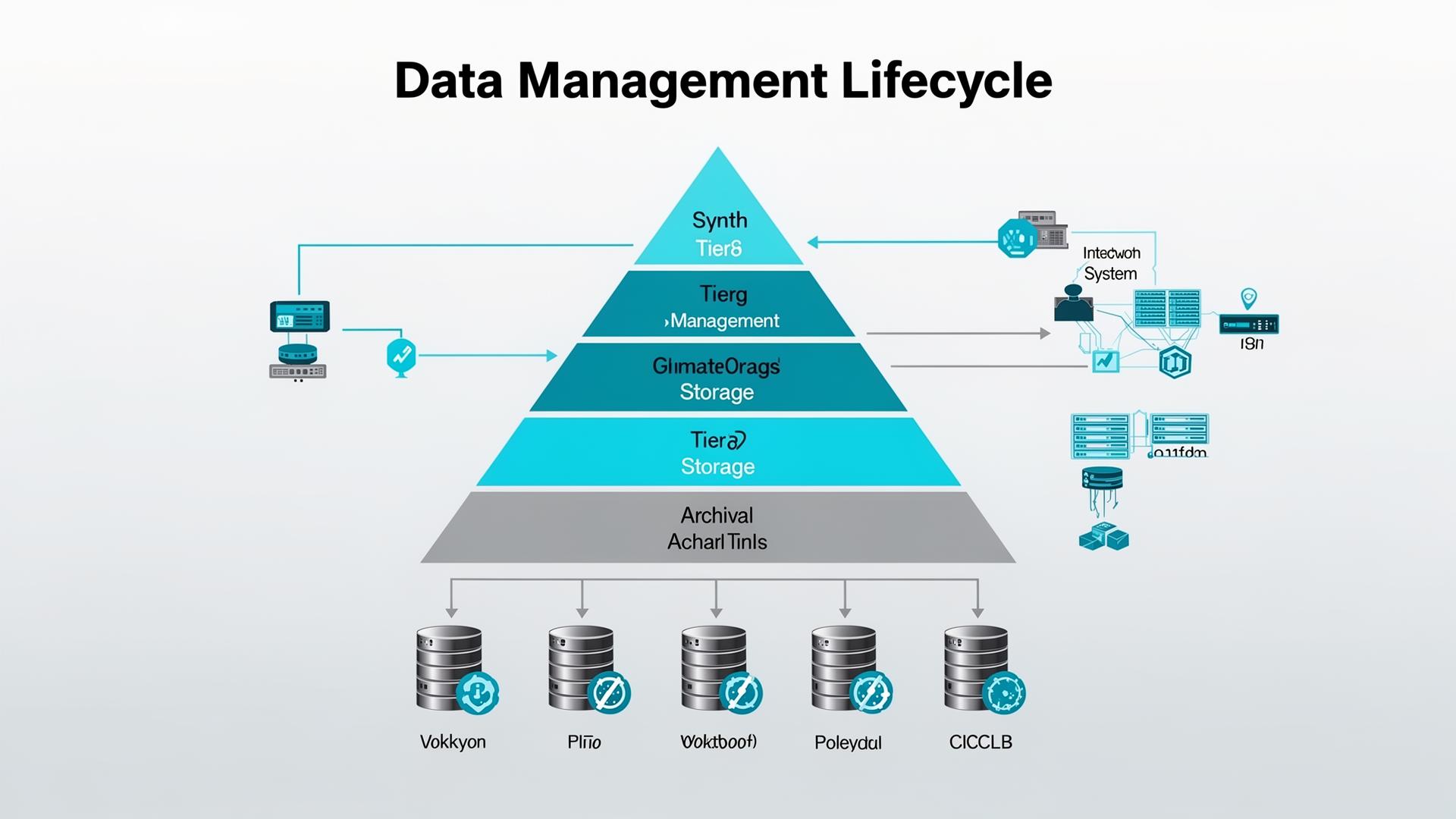
**Storage** balances access, cost, and protection. Hot storage provides fast access for active data. Cold storage reduces costs for historical information. Archival preserves data required for compliance.
**Usage** delivers value from data investments. Self service tools enable business users. APIs provide programmatic access. Analytics platforms reveal insights.
**Retention** policies govern how long data persists. Legal requirements mandate minimum periods. Storage costs motivate maximum limits. Destruction procedures ensure complete removal.
## Compliance and Protection
**Regulatory requirements** increasingly constrain data handling. GDPR, CCPA, industry specific regulations. Understanding obligations guides policy development.
**Classification** identifies sensitive information. Personal data, financial records, intellectual property. Different classifications require different protections.
**Access controls** restrict information to authorised users. Role based access simplifies management. Least privilege limits exposure. Audit trails enable monitoring.
If your organisation needs help developing data management strategy or improving information governance, contact us through our contact page. We help businesses turn data into competitive advantage.