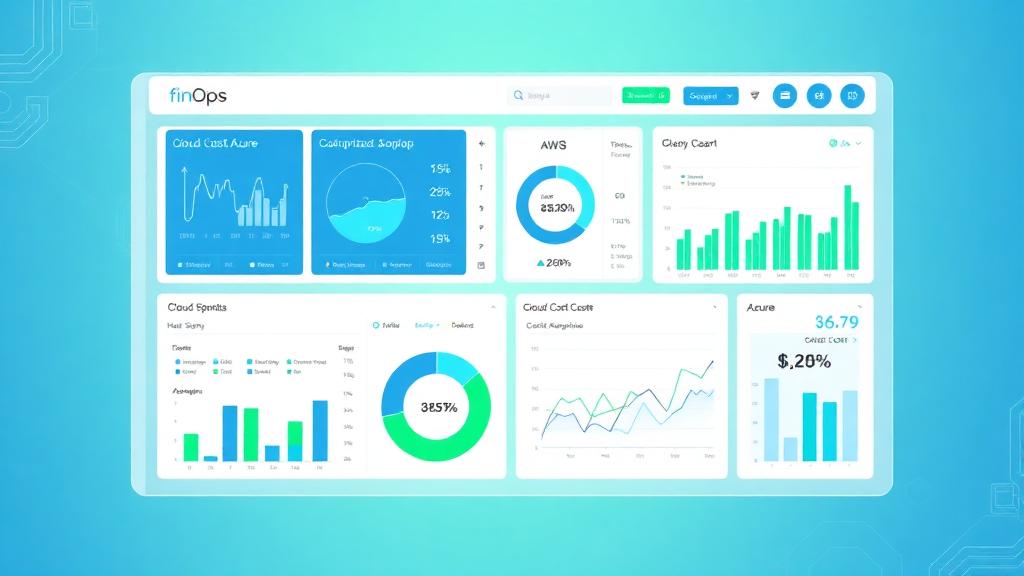
# FinOps: Managing Cloud Financial Operations
Cloud computing promised cost savings. Pay only for what you use. Scale down when demand drops. No capital expenditure on hardware that sits idle. The theory was compelling.
Reality proved more complex. Cloud bills surprise. Resources spin up but never spin down. Reserved capacity goes unused. Optimisation requires constant attention. Many organisations spend more in cloud than they did on premises.
FinOps addresses this challenge through cultural and operational change. It combines finance, technology, and business operations to manage cloud spending effectively. The discipline enables organisations to get value from cloud investment.
## Understanding FinOps Principles
**Collaboration** breaks down silos. Finance, engineering, and business must work together. Finance understands costs. Engineering understands usage. Business understands value. None can optimise alone.
**Visibility** enables management. You cannot optimise what you cannot see. Detailed cost data must be accessible. Allocation to teams and projects enables accountability. Trends and forecasts support planning.
**Accountability** distributes responsibility. Central teams cannot police all spending. Teams that create costs must own them. When engineers see the impact of their decisions, behaviour changes.
**Timeliness** matters for action. Monthly bills arrive too late. Daily or hourly visibility enables immediate response. Anomaly detection catches problems before they accumulate.
## Building FinOps Capability
**Cost allocation** creates the foundation. Tagging strategies assign costs to business units, projects, and environments. Consistent tagging enables accurate reporting. Automated enforcement ensures compliance.
**Reporting and analytics** reveal patterns. Dashboards show current spending and trends. Drill down enables investigation. Forecasting predicts future costs. Budget alerts prevent surprises.
**Optimisation activities** reduce waste. Rightsizing matches resources to actual needs. Reserved instances and savings plans reduce rates for predictable workloads. Spot instances dramatically cut costs for fault tolerant applications.
**Governance processes** sustain improvement. Regular reviews examine spending patterns. Optimisation recommendations receive attention. Accountability mechanisms ensure follow through.
## Common Optimisation Opportunities
**Idle resources** waste money constantly. Development environments running on weekends. Test instances left running after projects complete. Scheduled shutdown and startup eliminates waste.
**Oversized instances** pay for capacity never used. Right sizing analysis compares resource allocation to actual utilisation. Smaller instances often perform identically at lower cost.
**Storage costs** accumulate invisibly. Snapshots retained indefinitely. Objects never accessed. Lifecycle policies should delete or archive based on age and access patterns.
**Data transfer** surprises many organisations. Cross region replication, internet egress, even traffic between services. Architecture decisions significantly impact transfer costs.
## Organisational Implementation
**Executive sponsorship** enables culture change. FinOps requires behaviour modification. Without leadership support, old habits persist. Visible commitment signals importance.
**Central team** provides expertise and tools. FinOps practitioners understand both technology and finance. They create visibility, identify opportunities, and facilitate optimisation.
**Distributed responsibility** scales the effort. Central teams cannot optimise everything. Engineering teams must own their costs. Incentives should align with efficiency.
If your organisation struggles with cloud costs or wants to establish FinOps practice, contact us through our contact page. We help businesses optimise cloud spending while maintaining performance and agility.