# Runbook Automation: Converting Tribal Knowledge Into Reliable Processes
IT operations depend on expertise that lives in people's heads. Senior engineers know the quirks of critical systems. They remember incidents from years ago and the fixes that worked. When they are unavailable, incidents escalate. When they leave, knowledge goes with them.
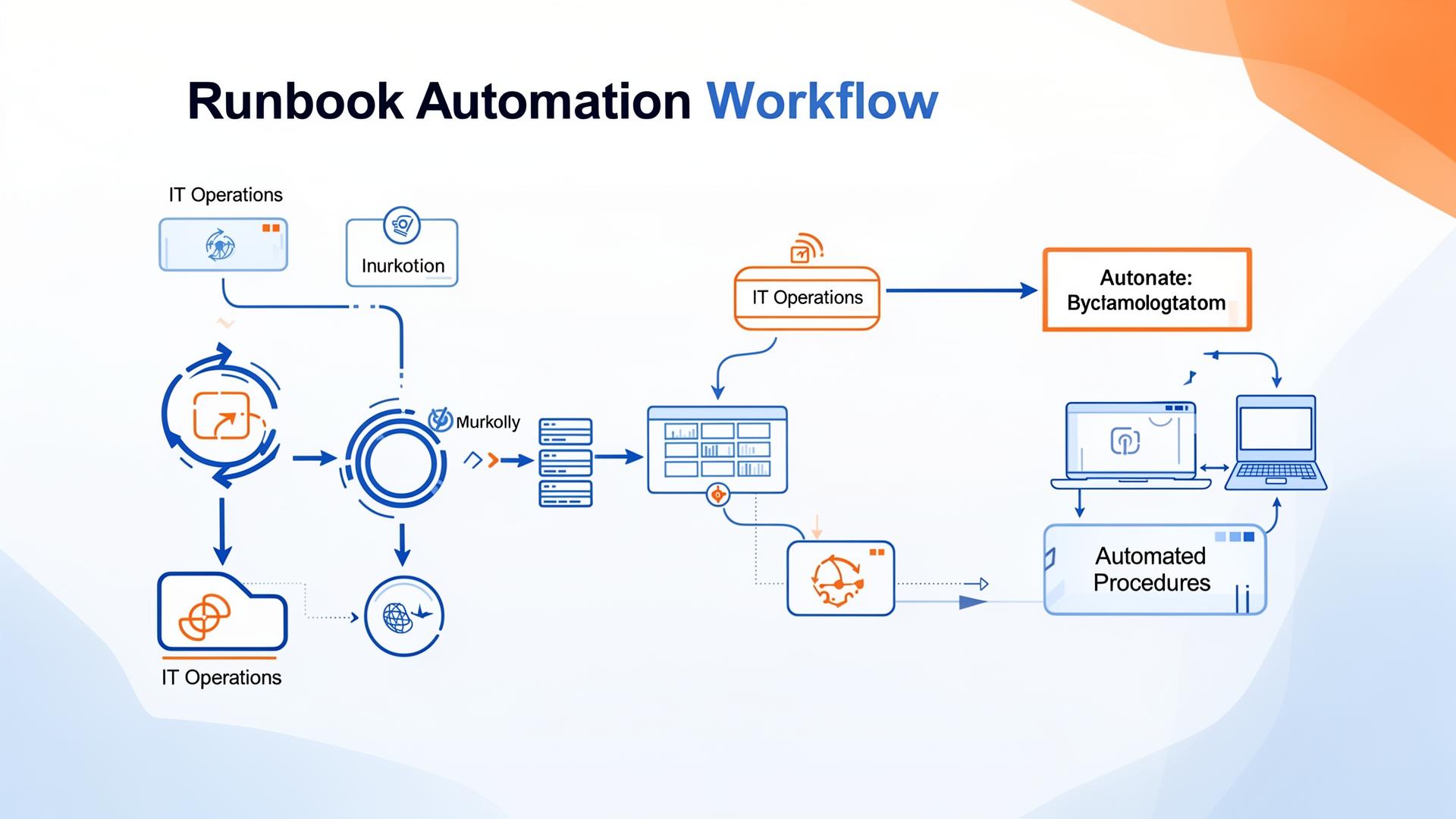
Runbook automation captures this expertise in executable form. Documented procedures become automated workflows. Tribal knowledge transforms into organisational capability. Consistent execution replaces variable human performance.
## The Runbook Problem
Traditional runbooks have fundamental limitations.
**Documentation decay** affects written procedures. Systems change. Procedures do not update. Runbooks become unreliable guides. Engineers ignore outdated documentation.
**Execution variability** introduces errors. Different engineers interpret procedures differently. Steps get skipped under pressure. Inconsistent execution creates inconsistent results.
**Availability constraints** limit response. Experts sleep, vacation, and change jobs. Runbook execution waits for qualified personnel. Incident duration extends.
**Scaling limitations** prevent growth. Manual runbook execution takes time. Incident volume exceeds staff capacity. Queues grow. Users wait.
## Automation Benefits
Runbook automation addresses these limitations.
**Consistency** in execution eliminates variation. Every execution follows the same steps. No interpretation required. Results become predictable.
**Speed** of automation beats manual execution. Automated procedures complete in minutes. Human procedures take hours. Mean time to resolution improves.
**Availability** extends to around the clock. Automation does not sleep. Self-service enables users to invoke procedures. Reduced dependency on specific personnel.
**Auditability** captures execution history. Every step logged. Compliance requirements satisfied. Post-incident analysis simplified.
## Implementation Approach
Building automated runbooks requires systematic effort.
**Identify candidates** for automation. Frequently executed procedures provide quick wins. Time-consuming processes offer significant savings. Critical procedures benefit from consistency.
**Document current state** before automating. Capture expert knowledge. Identify variations in practice. Reconcile differences.
**Build incrementally** starting with partial automation. Automate straightforward steps. Preserve human judgment for complex decisions. Expand scope as confidence grows.
**Test thoroughly** before production use. Automation can cause damage faster than humans. Validation in safe environments required.
If your organisation needs help implementing runbook automation or modernising IT operations, contact us through our contact page.
## What Makes a Good Runbook
A runbook should be:
- precise (commands, locations, expected outputs),
- safe (validation steps and rollback),
- and current (owned and reviewed).
## Automation Progression
1. Write the runbook. 2. Execute it repeatedly. 3. Turn it into a script. 4. Put it behind an approval workflow. 5. Measure outcomes and refine.
This is how tribal knowledge becomes reliability.