# Security Operations Center: Building Effective Security Monitoring
Threats do not pause for business hours. Attackers work when defenders rest. Automated attacks run continuously. The gap between compromise and detection determines breach impact. Organisations without continuous monitoring discover breaches months after they occur.
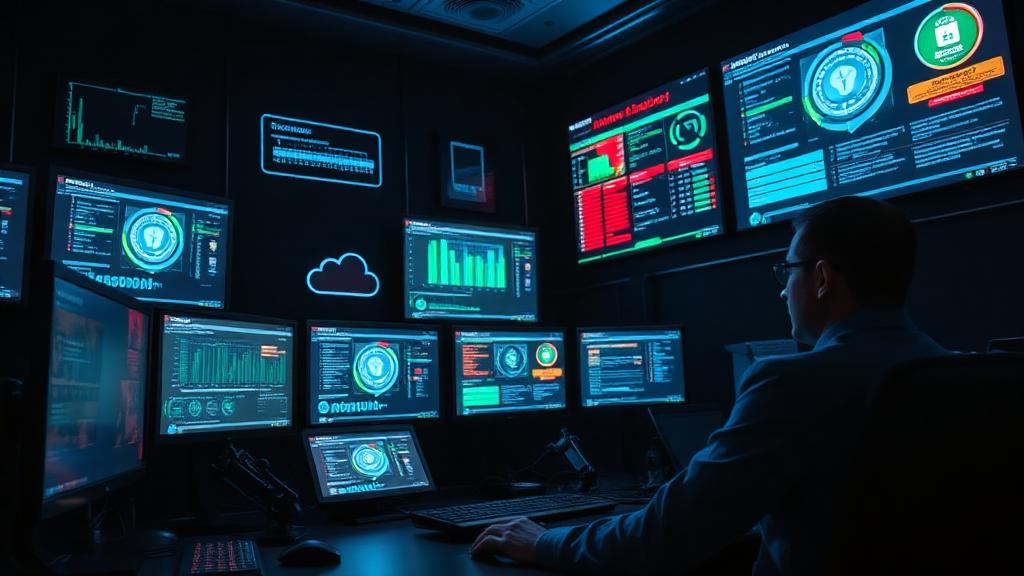
Security Operations Centers provide that continuous vigilance. Teams of analysts monitor security tools, investigate alerts, and respond to incidents. The SOC serves as the nerve center for security operations.
## SOC Functions
**Monitoring** provides continuous visibility. Security tools generate alerts constantly. Network detection spots anomalies. Endpoint detection flags suspicious behaviour. Log analysis reveals patterns. The SOC watches it all.
**Triage** separates signal from noise. Not every alert indicates attack. False positives outnumber true positives significantly. Analysts evaluate alerts, determine severity, and prioritise investigation. Experience and tooling improve triage accuracy.
**Investigation** determines what happened. When alerts indicate potential threat, analysts dig deeper. Correlation across data sources reveals the full picture. Timeline reconstruction shows attack progression. Root cause analysis identifies initial compromise.
**Response** contains and remediates threats. Isolate compromised systems. Block malicious infrastructure. Remove attacker persistence. Investigation informs response. Response informs future detection.
**Improvement** continuously enhances capability. Each incident teaches lessons. Detection rules improve. Playbooks refine. Training develops skills. The SOC becomes more effective over time.
## SOC Components
**SIEM** aggregates and analyses log data. Security Information and Event Management platforms collect logs from across the environment. Correlation rules identify attack patterns. Dashboards provide visibility. Search enables investigation.
**SOAR** automates response workflows. Security Orchestration, Automation and Response platforms execute playbooks. Repetitive tasks complete without human intervention. Analysts focus on complex decisions. Response time decreases.
**Threat Intelligence** provides context. Understanding attacker techniques, infrastructure, and targets improves detection. Commercial feeds, open source intelligence, and information sharing communities contribute.
**Endpoint Detection** delivers visibility into hosts. Traditional SIEM sees network traffic and logs. EDR reveals process execution, file operations, and memory contents. Full visibility requires both perspectives.
## Building vs Buying
**In house SOC** provides control and customisation. Staff understand your environment intimately. Custom detection rules address specific risks. But building requires significant investment. Skilled analysts are scarce and expensive. 24x7 coverage needs substantial headcount.
**Managed SOC** services provide capability without building. External providers monitor your environment. Their analysts investigate alerts. Expertise scales across many customers. Cost structures may be more predictable than hiring.
**Hybrid models** combine approaches. Internal team handles strategic functions. External provider covers continuous monitoring. Collaboration addresses complex incidents. Each party contributes strengths.
## SOC Maturity
**Initial capability** focuses on basic monitoring. SIEM collects logs. Alert rules detect obvious attacks. Response is largely manual. Coverage may be limited to business hours.
**Developing maturity** improves detection and response. Playbooks standardise investigation and response. Automation handles routine tasks. Coverage extends toward 24x7. Metrics track performance.
**Advanced operations** pursue threats proactively. Threat hunting searches for undetected compromise. Red team exercises test detection. Machine learning improves detection. Integration across security tools is comprehensive.
If your organisation needs help building security operations capability or evaluating managed SOC options, contact us through our contact page. We help businesses implement effective security monitoring.